+91 9990176000
 +91 9999097600
 CALENDAR 2026


 While moving into a new house or building a new one, it is very important to consider some Vastu rules to harness positive energy in your space. According to the trusted and famous Vastu Shastra expert in India– Pandit Pawan Kaushik, vastu friendly homes ensure your space aligns with natural forces that bring joy, prosperity, peace, and happiness. As per him, regardless of whether you are shifting to different property or residing in the existing one, incorrect Vastu creates hurdles, conflicts, negativity, and blocks the door to success. Whether you are planning to shift into a new house, flat, rented apartment, or living in the same existing one, or want to construct a new one, follow these important Vastu tips for home in 2026.
What is Vastu Shastra?
Vastu Shastra is an ancient science of our culture that defines the law of architecture and design. It incorporates a structural set of principles for space, layout, arrangement of objects and the interior/exterior dimension. It focuses on aligning buildings with the natural forces of the universe and five elements (earth, water, fire, air, and space). It also ensures the alignment of space components with correct directions, sunlight, and cosmic energy—so that the space supports harmony, balance, and positive energy flow.By following Vastu Shastra, homes are designed to promote health, peace, prosperity, and overall well-being for the people living in them.
Why is Vastu Important?
Vastu is important because it helps create a living space that works with nature, not against it. Every home constantly interacts with natural energies such as sunlight, wind flow, magnetic forces, and the five elements. When a house is designed without considering these factors, it may unknowingly create imbalance, which can reflect in the form of stress, instability, or lack of growth in daily life.By applying Vastu principles, each area of the home is given a purposeful role—ensuring proper circulation of energy, better utilization of space, and a calm, balanced environment. A Vastu-aligned home supports mental peace, physical well-being, financial stability, and smoother relationships among family members.
Rather than being about superstition, Vastu is about thoughtful planning and alignment. Even small corrections, when done correctly, can improve comfort, positivity, and the overall quality of life within a home.
Vastu Tips for Home in 2026
In 2026, Vastu Shastra is no longer seen as a rigid set of rules but as a practical guide to living in harmony supported by natural forces. Whether you are shifting into a new property, living in a rented apartment, or planning corrections in your existing house, following the right Vastu tips for home helps create stability, mental peace, and smoother progress in life.A Vastu-friendly home focuses on achieving directional balance, utilising space efficiently, optimising light and ventilation, and aligning elements. When these aspects are ignored, even a well-designed house may feel uncomfortable or stagnant. Below are the most important and verified Vastu tips for home in 2026, explained with clarity and real-life relevance.
Shape of the House as per Vastu
The shape of a house forms the foundation of Vastu for home. According to widely accepted Vastu Shastra principles, square and rectangular plots or layouts are considered the most balanced. These shapes allow energy to circulate evenly across the house, supporting stability and harmony.Irregular shapes, sharp cuts, or heavy extensions—especially in sensitive zones like the North-East or South-West—can disturb balance if not handled carefully. This does not mean such homes are unlivable, but they may require thoughtful planning and corrective measures. A well-proportioned structure always makes Vastu implementation easier and more effective.
Orientation and Main Door House Entrance
The main door is considered the primary entry point of energy into a house. In Vastu Shastra for home, East-facing house Vastu and North-facing house Vastu are generally regarded as favourable because these directions align with sunlight and natural energy flow.However, direction alone is not enough. The entrance should be:
- Clean and clutter-free
- Well-lit, especially in the evening
- Free from obstructions like poles, dustbins, or damaged flooring
Check the List of the Top 10 Vastu Tips for Home You Should Follow in 2026:
As we step into 2026, aligning your home with Vastu principles can help create a more balanced, peaceful and positive living environment. These essential tips focus on improving energy flow, stability and overall well-being for you and your family.Vastu Tips for Living Room
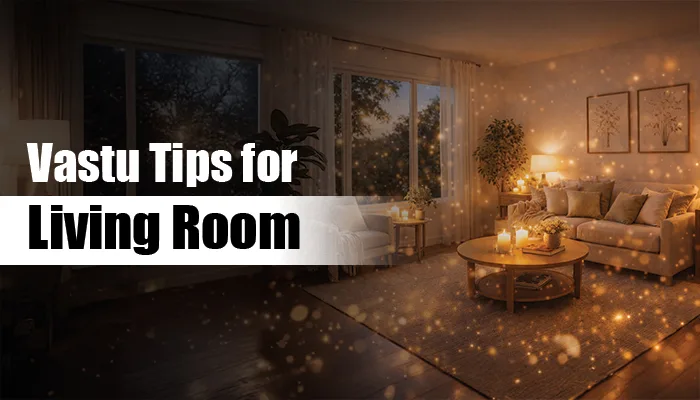
Heavy furniture should be placed towards the South or West walls, allowing the central area to remain open. Seating arrangements are best when people face East or North while sitting. Light colours, natural light, and good ventilation play a bigger role than decorative remedies. A balanced living room naturally feels welcoming and calm.
Kitchen Direction as per Vastu
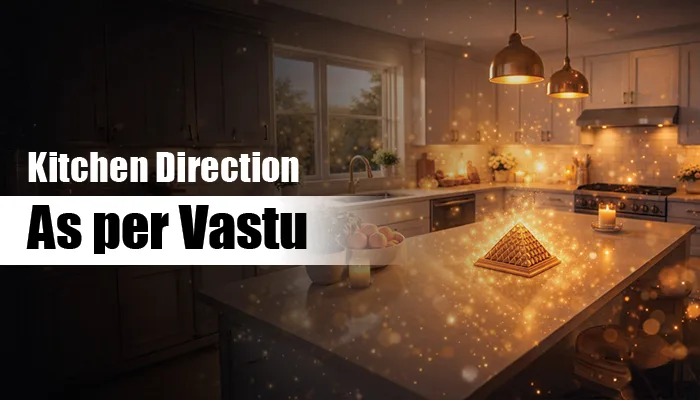
Water and fire elements should not clash. The sink and gas stove should not be placed very close to each other. Proper ventilation is essential to prevent heat and energy stagnation. If South-East is not possible, the North-West direction can be considered with careful planning.
Bedroom Direction as per Vastu
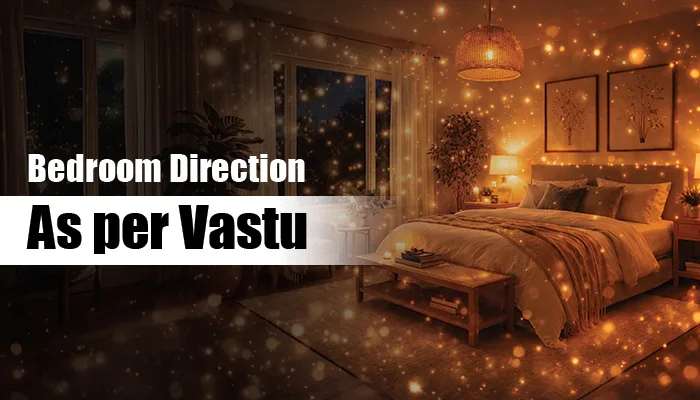
Bed position according to vastu is equally important. Sleeping with the head towards South or East is commonly advised, while sleeping direction as per Vastu generally avoids the North. Mirrors should not face the bed, and heavy wardrobes should be placed on South or West walls. Calm colours and minimal clutter enhance restfulness.
Pooja Room as per Vastu (Mandir Direction)
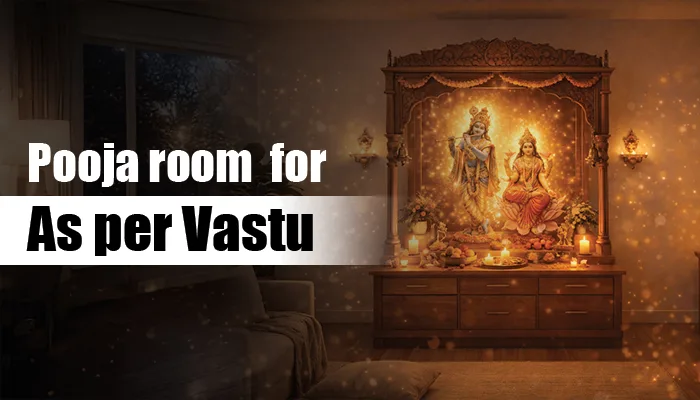
The space should remain clean, peaceful, and lightly decorated. Idols should not be overcrowded or placed directly on the floor. The pooja area should feel calm and focused, not decorative or congested.
Study Room and Work Space Vastu
A study or work area influences focus, learning, and professional growth. East and North directions are considered supportive for concentration. The study table should ideally face East or North, and the space should be well-lit.Avoid sitting directly under beams or in dark corners. A clean, organised study area supports clarity more effectively than symbolic remedies.
Toilet Direction as per Vastu
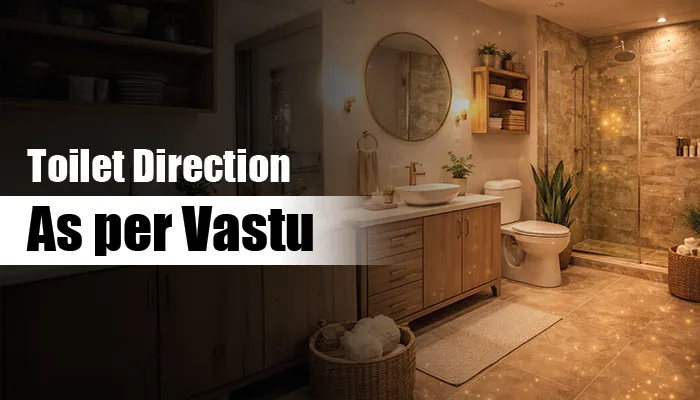
Ventilation, cleanliness, and timely repair of leakages are far more important than decorative fixes. Bathroom doors should remain closed to prevent energy imbalance.
Staircase as per Vastu
The staircase represents movement and transition. Staircase as per vastu works best in the South, West, or South-West parts of the house. Staircases should ideally rise clockwise and should not be placed at the centre of the home.A well-planned staircase supports stability, while a poorly placed one may create restlessness.
Water Placement as per Vastu
In Vastu Shastra, water placement refers to functional water sources, not decoration.- Underground water tanks are best in the North-East
- Overhead water tanks work well in South-West or West
- Avoid placing water sources in the South-East (fire zone)
Mirror Direction as per Vastu
Mirrors reflect and amplify energy. Mirror direction as per vastu should avoid facing the main door or bed directly, as this may disturb balance. Mirrors are better placed in living or dining areas where they reflect light and openness.Vastu Colour for Home
Colours influence mood and energy. Vastu colour for home generally prefers light, soothing shades such as cream, white, light yellow, and pastel greens. Dark and heavy colours should be used sparingly, especially in bedrooms and living areas.Do’s & Don’ts for a Vastu-Compliant Home
This section serves as a quick practical checklist, reinforcing key habits without repeating detailed explanations already covered above.Do’s
- Keep the main entrance unobstructed and welcoming to support smooth energy entry
- Maintain balance between open and heavy areas in each room
- Use furniture placement consciously, keeping movement paths clear
- Pay attention to neglected corners and ensure they remain usable
- Maintain indoor greenery responsibly, ensuring plants remain healthy
Don’ts
- Avoid excessive storage in sleeping and resting zones
- Do not place reflective surfaces randomly, especially near entrances
- Avoid mixing incompatible functions in one space (for example, storage in prayer areas)
- Do not overcrowd rooms, even if furniture is aesthetically pleasing
- Avoid impulsive remedies without understanding the cause
Understanding Direction-Based Homes in Vastu
Every house orientation has its own characteristics in Vastu Shastra. Rather than labelling directions as purely good or bad, Vastu focuses on how well the internal layout supports the direction.- East-facing homes are often associated with activity, clarity, and fresh energy when planned correctly.
- North-facing homes are commonly linked with opportunities and growth, especially when open and uncluttered.
- South-facing homes require careful planning but can function well when balance is maintained internally.
- West-facing homes can be supportive for certain lifestyles, provided light, ventilation, and space usage are handled thoughtfully.
How to Assess Vastu Compliance in Your Home
Checking Vastu compliance does not require immediate renovation. It begins with observation and awareness.Start by understanding the directions of key areas such as the entrance, kitchen, bedrooms, and toilets. Review how furniture, appliances, and storage are placed and whether they block light, movement, or ventilation. Pay attention to how natural elements—air, light, and water—function within the house.
If confusion persists or recurring discomfort is felt despite basic corrections, consulting a knowledgeable Vastu expert can provide clarity and direction without unnecessary changes.
Plants That Support a Healthy Home Environment
Plants are valued in Vastu not just symbolically, but also for their practical impact on air quality and freshness. Certain plants are traditionally preferred because they are easy to maintain and promote a sense of vitality within the home.Indoor plants associated with growth, calmness, and purification are often chosen for living spaces. When placed in appropriate areas with adequate light and care, they help create a balanced and pleasant environment. However, neglected or unhealthy plants can have the opposite effect, so maintenance is essential.
Below Are Some Vastu-Recommended Plants That Support A Healthy Home Environment:
Tulsi (Holy Basil)
Tulsi is considered one of the most auspicious plants as per Vastu. It is associated with purity, positivity, and spiritual well-being. Keeping Tulsi at home is believed to purify the surroundings and create a peaceful atmosphere.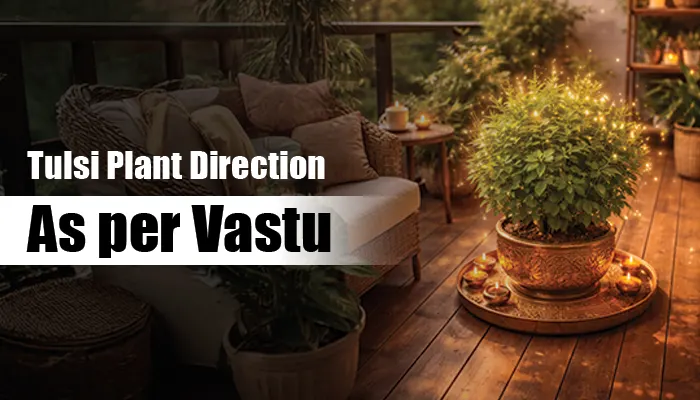
- Place it in the north, east, or north-east direction.
- Keep it in a clean and elevated area such as a balcony or courtyard.
- Avoid placing it in the south direction.
- Offer regular care and watering to maintain its positive energy.
Money Plant
Money plants are commonly linked with growth, prosperity, and financial stability. It is also known for improving indoor air quality and is easy to maintain.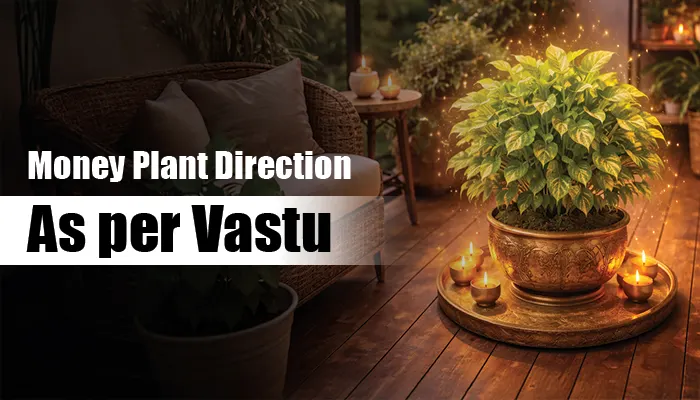
- Ideal for the south-east direction (associated with wealth and Venus energy).
- Can be grown in soil or water.
- Avoid letting the plant touch the ground.
- Remove yellow or dried leaves promptly.
Lucky Bamboo
Lucky bamboo is associated with harmony, peace, and steady growth. It is popular in homes and workspaces for its decorative appeal and symbolic meaning.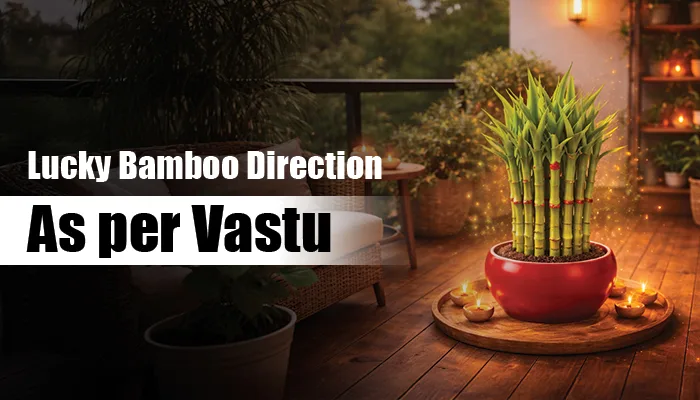
- Place it in the east for family harmony.
- Place it in the south-east for prosperity.
- Keep it in clean water and change the water regularly.
- Ensure indirect sunlight for healthy growth.
Aloe Vera
Aloe vera is known for its air-purifying qualities and healing properties. In Vastu, it is considered helpful in absorbing negative energy and promoting wellness.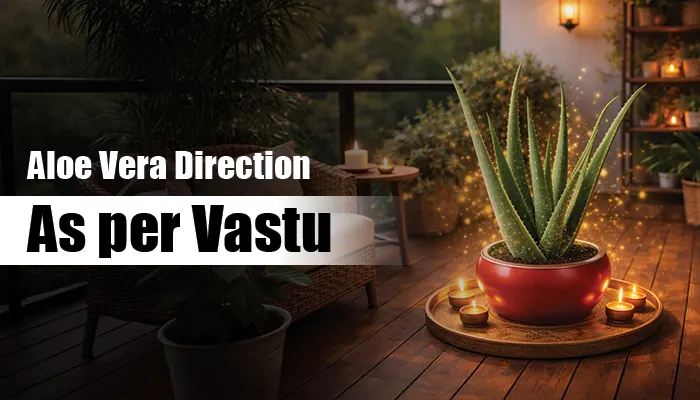
- Suitable for the north or east direction.
- Requires moderate sunlight and limited watering.
- Avoid placing it in the south-west corner.
- Ensure proper drainage to prevent root damage.
Areca Palm
Areca palm enhances freshness and supports a calm indoor environment. It is frequently used to improve air circulation and add natural vibrancy to living spaces.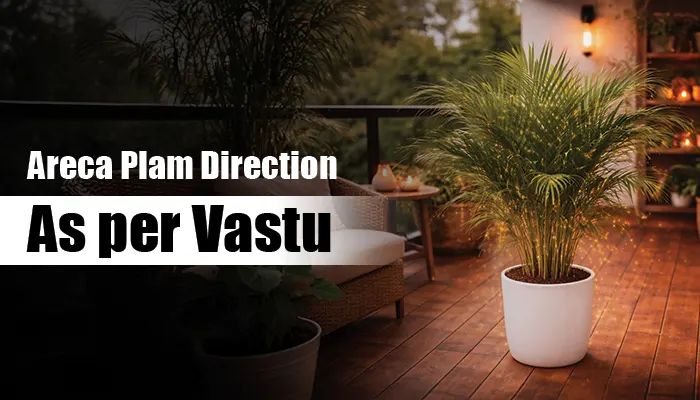
Vastu Placement Guidelines for Areca Palm:
- Best placed in the north-east or living area.
- Keep it in a well-lit space with indirect sunlight.
- Water regularly without over-saturating the soil.
- Trim dry leaves to maintain positive energy flow.
Important Vastu Tips for Indoor Plants
- Avoid thorny plants like cactus inside the house.
- Do not keep dried, dead, or diseased plants indoors.
- Ensure proper sunlight and adequate ventilation.
- Avoid overcrowding plants in bedrooms.
- Keep the surrounding area clean and clutter-free.
Handling Common Vastu Imbalances Practically
Understanding Why Vastu Imbalances OccurMost Vastu imbalances do not arise overnight, nor are they always linked to major construction defects. In many homes, problems develop gradually due to poor space usage, lack of maintenance, overcrowding, or blocked natural elements such as light and air. When areas of the house remain unused, dark, or cluttered for long periods, energy tends to stagnate, which may reflect discomfort or restlessness in daily life.
This is why Vastu Shastra places strong emphasis on how a space is lived in, not just how it is built.
Practical Corrections Without Structural Changes
One of the simplest and most effective Vastu corrections is decluttering with intent. Removing unused furniture, broken items, or excessive storage—especially from bedrooms, living areas, and the North-East zone—helps restore natural flow. Cleanliness is not symbolic in Vastu; it is functional and directly linked to energy circulation.Light and ventilation are equally important. Homes that lack sunlight or proper airflow often feel heavy and closed. Opening windows daily, improving cross-ventilation, and ensuring that no corner remains permanently dark can correct many minor Vastu disturbances naturally.
Furniture placement also plays a role. Heavy furniture placed randomly or blocking natural pathways can disrupt balance. Keeping central areas open and aligning furniture with room directions helps the space feel lighter and more organised.
Role of Remedies and Vastu Tools (Used Carefully)
Remedial tools such as Vastu pyramids, crystals, or symbolic objects are often discussed in modern Vastu practice. However, these should never replace basic corrections like proper layout, cleanliness, and maintenance. When used thoughtfully and under guidance, they may support balance, but relying on them as shortcuts can weaken true Vastu compliance.In authentic Vastu practice, remedies are considered supportive tools, not solutions in themselves.
Why Consult a Vastu Consultant?
Every home has a unique layout, orientation, and usage. This is why blindly following online vastu charts or generic guidelines often creates confusion instead of solutions. A professional vastu consultant studies the house as a whole—its directions, structure, light, ventilation, and daily usage—before suggesting corrections.According to Pandit Pawan Kaushik – one of the best Vastu consultants in India, effective Vastu guidance focuses on practical corrections and long-term balance, not fear-based remedies. With over 30 years of experience, he has worked with homeowners, builders, architects, and business establishments across India and abroad. His approach combines traditional Vastu Shastra with modern living needs, making solutions realistic and easy to apply.
Consulting an experienced Vastu expert helps you achieve clarity, proper Vastu compliance, and a home that genuinely supports peace, stability, and growth.
Summary
Vastu tips for home in 2026 are centred on practical balance rather than rigid rules. A Vastu-aligned home is created through thoughtful planning, correct direction usage, cleanliness, and daily awareness of space.From choosing the right bedroom direction as per vastu and maintaining the main door house entrance, to correcting toilet direction as per vastu and ensuring proper kitchen direction as per vastu, every small decision contributes to long-term harmony. True Vastu compliance is achieved when a home supports natural flow, comfort, and stability without forcing unnecessary changes.
When applied correctly, Vastu Shastra for home becomes a guiding framework for better living, not a source of fear or confusion.