+91 9990176000
 +91 9999097600
 CALENDAR 2026


 Astrology has been a legacy deeply rooted in our heritage. From ancient times to the modern day, astrology has played a crucial role in understanding people’s personalities, as well as their past, present, future, and significant life events. Among the genuine & best astrologers in India, Pandit Pawan Kaushik views astrology as a science and our ancestral legacy. Also, according to him, the effect of navgaraha on every individual can not be denied. Pandit ji is a trusted expert in the field of astrology, and he is widely recognised for his astrological insights and remedies that have guided thousands of individuals find the right direction in their lives.
Known as Navagrah, the nine planets in the vast world of astrology play an important role in influencing people’s lives. All 9 planets shape the individual life cycle differently, depending on their placement at the time of the native’s birth. The study of the nine planets in astrology holds significant importance in understanding their cosmic influences on all aspects of life. This blog explores the study of navagaraha in Vedic astrology and its effects.
Introduction to the Navagraha in Vedic Astrology
There are 9 planets in astrology that govern different aspects of life, and they have different cosmic energies. The navgarah in astrology or the nine planets has deep influence on human and they consist of Sun (Surya), Moon (Chandrama), Mars (Mangal), Jupiter (Guru), Mercury (Budh), Venus (Shukr), Saturn (Shani), Rahu & Ketu. Based on the placement of the Individual birth-chart, these planets affect the different facets of life.Significance of Nine Planets in Astrology
All the 9 planets in astrology rules different areas and they have different domain lordship. The favourable placement of the planet lead to positive influence, whereas their negative configuration creates hurdles and challenges with respect to their domain and the things they rule over. These planets shape our life’s journey and function as the cosmic guides leading us through challenges or success, or normal living. Ups and downs, success, limelight, disease, losses and gains are astrologically caused by these planets during their dashas (Mahadasha, Antardash, etc). However, the result depends on their positive or negative configuration. All the planets in astrology rule specific realms of life. For example, Sun rules our confidence, soul, leadership quality where whereas Moon governs our intellect, emotion and intuition. Likewise, sudden gains and losses, overnight success or diplomacy is seen from the shadow planet- Rahu. Let’s understand the planetary function and their characteristics with more detail.Struggling in Career- Consult Renowned Astrologer in India
Also check out our thoughts on 9 Navagraha Temples in Kumbakonam

Nine Planets and Their Characteristics in Astrology: How They Affect Human Life
We have clarified that all nine planets cover different domains of life and affect individuals differently depending on the placement in the birth chart. Let’s uncover each planet’s effects one by oneSun
 The Sun is the king of planets in astrology and governs confidence, leadership qualities, vitality, recognition, and success. If the placement of the Sun is good in an individual’s chart, it can bless the native with these traits. However, an unfavorable placement may cause difficulties associated with this attribute and lead to a lack of confidence, low self-esteem, and poor personality.
Moon
 The Moon represents the mind, emotions, intuition, and inner stability. It reflects how an individual feels, reacts, and connects emotionally with others. A well-placed Moon in the individual chart (kundli) provides emotional balance, mental peace, sensitivity, and strong intuitive abilities. Such natives are nurturing, calm, and emotionally aware.
However, an afflicted or weak Moon can disturb mental peace. It may lead to emotional instability, anxiety, mood swings, depression, lack of focus, and insecurity. Since the Moon governs the mind, its weakness often impacts decision-making and emotional well-being.
Mars
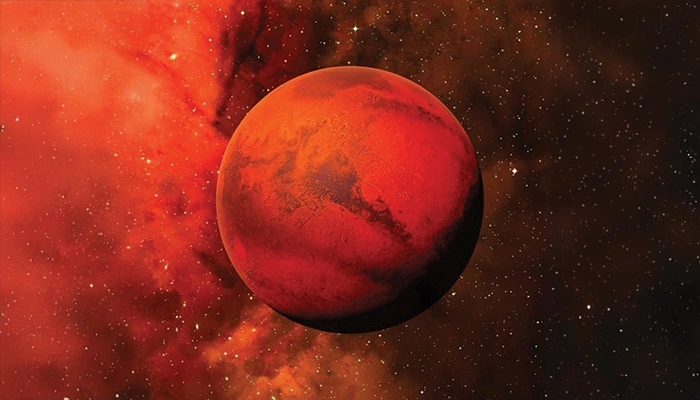 Mars signifies courage, energy, strength, ambition, and action. It reflects how boldly a person takes initiative and faces challenges. A strong Mars gives confidence, determination, leadership ability, and physical vitality. It is highly beneficial for careers requiring bravery, discipline, and competitiveness.
On the contrary, an unfavourable Mars may result in aggression, anger issues, impulsive behaviour, conflicts, and problems in marital life. It can also create tendencies toward impatience and accidents if negatively placed.
Mercury
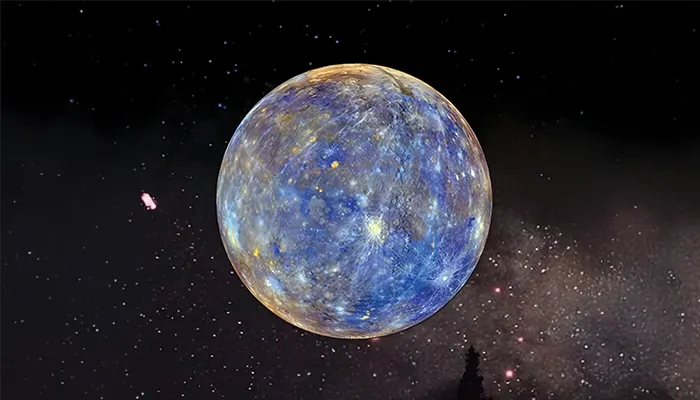 Mercury governs intelligence, communication, logic, speech, learning ability, and analytical skills. A strong Mercury blesses the native with sharp intellect, clarity in expression, business acumen, adaptability, and problem-solving skills. It plays a key role in education, trade, writing, and communication-based professions.
If Mercury is weak or afflicted in someone birthchart, it can cause confusion, poor communication skills, nervousness, learning difficulties, indecisiveness, and lack of clarity in thought. Such natives may struggle to express themselves effectively.
Jupiter
 Jupiter is considered the most benefic planet (subha garah) in astrology. It represents wisdom, knowledge, spirituality, growth, morality, prosperity, and expansion. A well-placed Jupiter bestows optimism, good judgement, higher learning, financial stability, and spiritual inclination. It supports success in education, career, marriage, and progeny.
However, an unfavourable Jupiter may lead to misguided beliefs, lack of discipline, overconfidence, or poor decision-making. It can also create delays in marriage and instability in finances if weak.
Venus
 Venus signifies love, relationships, beauty, luxury, creativity, pleasure, and harmony. A strong Venus enhances charm, artistic talents, romantic relationships, and material comforts. It also supports success in creative fields and business partnerships.
A weak or afflicted Venus may lead to relationship issues, lack of harmony in marriage, emotional dissatisfaction, indulgent habits, and imbalance in desires. It can disturb both personal and professional relationships.
Saturn
 Saturn is the planet of karma, discipline, responsibility, patience, and life lessons. It rewards hard work, sincerity, and perseverance over time. A strong Saturn makes a person disciplined, practical, resilient, and capable of long-term success.
When Saturn is unfavourably placed, it may cause delays, obstacles, loneliness, fear, frustration, and hardships. However, Saturn never denies—it only delays and teaches valuable life lessons through experience.
Rahu
 Rahu is a shadow planet that represents material desires, ambition, illusion, sudden events, and unconventional paths. A strong Rahu can bring sudden success, fame, foreign opportunities, innovation, and unconventional achievements.
On the negative side, an afflicted Rahu may cause confusion, greed, addictions, manipulation, anxiety, sudden losses, and unstable behaviour. It can also create illusions and false expectations.
Ketu
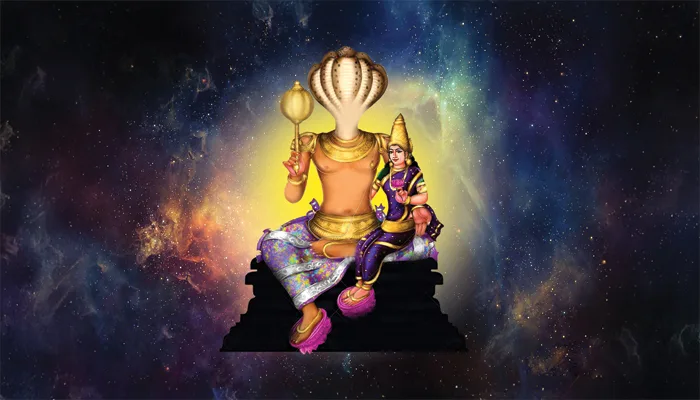 Ketu represents detachment, spirituality, introspection, and liberation. A strong Ketu promotes spiritual growth, wisdom, research abilities, and inner awareness. It helps individuals move beyond material attachments.
However, an unfavourable Ketu may lead to isolation, dissatisfaction, confusion, lack of motivation, and detachment from worldly responsibilities. It can create sudden separations and emotional withdrawal.
Role of Mahadasha in Vedic Astrology
In Vedic astrology, Mahadasha refers to a major planetary period that strongly influences a person’s life for a fixed number of years. Each individual goes through the Mahadasha of all nine planets in a specific sequence, starting from birth. During this period, the planet whose Mahadasha is running becomes the most dominant force in shaping life events.The results of a Mahadasha depend on the placement, strength, house lordship, and associations of that planet in the birth chart. If the planet is benefic and well-placed, its Mahadasha can bring growth, success, stability, and positive transformation. If the planet is weak or afflicted, the same period may bring struggles, delays, emotional stress, or challenges related to the areas ruled by that planet.
Planetary Mahadasha Periods
Each planet governs a fixed Mahadasha duration:- Sun Mahadasha – 6 years: Focuses on confidence, authority, career growth, health, and self-image.
- Moon Mahadasha – 10 years: Influences emotions, mental peace, family life, and inner stability.
- Mars Mahadasha – 7 years: Brings action, courage, competitiveness, conflicts, and energy-driven changes.
- Mercury Mahadasha – 17 years: Affects education, communication, business, intellect, and adaptability.
- Jupiter Mahadasha – 16 years: Supports wisdom, learning, prosperity, marriage, and spiritual growth.
- Venus Mahadasha – 20 years: Governs love, relationships, luxury, creativity, and material comforts.
- Saturn Mahadasha – 19 years: Teaches discipline, patience, responsibility, and karmic lessons.
- Rahu Mahadasha – 18 years: Brings sudden changes, ambition, foreign connections, illusions, and unconventional paths.
- Ketu Mahadasha – 7 years: Encourages detachment, spirituality, introspection, and inner transformation.
Want to Know Which On-going Planetary Dasha is Active in Your Kundli and How to Make Best of It- Consult Most Famous Astrologer in India– Pandit Pawan Kaushik
Planetary Transits (Gochar): What They Mean and Why They Matter
Planetary transit, also known as Gochar, refers to the continuous movement of planets through different zodiac signs in the sky. Unlike Mahadasha, which is fixed at birth, transits are dynamic and ongoing, affecting everyone simultaneously but producing different results based on individual birth charts.Transits act as event triggers. Even if a planet is strong in the birth chart, an unfavourable transit can create temporary challenges. Similarly, a supportive transit can activate opportunities, relief, or growth.
Major transits of Saturn, Jupiter, Rahu, and Ketu are especially important, as they influence long-term changes in career, finances, relationships, health, and mindset. For example, Saturn’s transit tests patience and discipline, while Jupiter’s transit brings expansion and opportunities.
Understanding transits helps in knowing when certain results are likely to manifest.
Planetary Aspects (Drishti): How Planets Influence Each Other
In Vedic astrology, Drishti means “aspect” or “vision”. It explains how planets influence areas of life even without being physically placed there. A planet does not only affect the house it occupies; it also impacts certain houses and planets through its aspect. This is why two charts with similar placements can still give different results.Every planet aspects the 7th house from its position, but some planets have special aspects that make their influence stronger and more complex.
Important Planetary Aspects in Astrology
- Sun and Moon: Both aspect the 7th house. Their aspect reflects how confidence (Sun) and emotions (Moon) influence partnerships and public dealings.
- Mars: Mars has special aspects on the 4th, 7th, and 8th houses. Its aspect brings energy, courage, and action, but when afflicted, it can create aggression, conflicts, accidents, or sudden disruptions.
- Jupiter: Jupiter aspects the 5th, 7th, and 9th houses. Its drishti is considered highly protective and benefic. Wherever Jupiter aspects, it brings wisdom, growth, learning, optimism, and moral guidance.
- Saturn: Saturn aspects the 3rd, 7th, and 10th houses. Its aspect is slow and demanding. Saturn’s drishti delays results but strengthens foundations. It teaches discipline, patience, and responsibility through effort.
- Rahu and Ketu: Rahu and Ketu also cast 3 aspects similar to Jupiter in many astrological traditions. Their aspects bring sudden changes, confusion, detachment, obsession, or spiritual awakening depending on their placement.
Natural Benefic and Malefic Planets in Astrology: What Does It Mean?
In Vedic astrology, planets are classified as natural benefics and natural malefics based on their inherent tendencies. This classification helps astrologers understand how planets generally behave and what kind of results they are likely to produce.Natural Benefic Planets
Natural benefic planets are those that promote growth, harmony, wisdom, and expansion by nature. Their influence usually supports positive outcomes, especially when they are well-placed.These planets include:
- Jupiter
- Venus
- Mercury (when unafflicted)
- Moon
Natural Malefic Planets
Natural malefic planets are those that create pressure, challenges, discipline, and transformation. Their purpose is not to harm but to teach lessons through effort and experience.These planets include:
- Saturn
- Mars
- Sun
- Rahu
- Ketu
Important Note
No planet is entirely good or bad in astrology. A benefic planet even can give negative results if weak or afflicted, and a malefic planet can give excellent results when well-placed. Final outcomes depend on house placement, strength, conjunctions, aspects, and running dasha in individual birthchart (kundli). To understand the true strength of a planet in their kundli, individual should consult an astrologerUnderstanding benefic and malefic nature helps people see astrology not as fear-based, but as a tool for awareness and growth.
Remedies to Mitigate the Adverse Effects of the Navgrah
When one or more planets are weak or afflicted in the birth chart, Vedic astrology suggests certain remedies to balance planetary energies and minimise negative influences. These remedies should always be followed after consulting an experienced astrologer.- Mantra Chanting: Chanting specific planetary mantras helps strengthen weak planets and calm their negative effects. Mantras should be recited regularly with correct pronunciation and discipline.
- Gemstone Therapy: After proper horoscope analysis, an astrologer may recommend wearing a gemstone related to the afflicted planet. The right gemstone helps enhance positive planetary energy, while an incorrect one may cause imbalance.
- Yantras: Planetary yantras are sacred symbols that attract favourable planetary vibrations. When placed or worshipped correctly, they help reduce planetary obstacles and bring stability.
- Charity and Donations: Donating items associated with afflicted planets helps reduce karmic imbalances. Charity done with sincerity supports both spiritual and material harmony.
- Vedic Rituals and Pujas: Rituals such as Navagraha Puja or Graha Shanti Puja are performed to pacify malefic planetary influences, especially during difficult Mahadasha or transits.
Also check out our thoughts on 9 Planets or Navagraha And Their Associated Gemstones To Bring Luck

Astrological Guidance and Consultation for Navagraha in Vedic Astrology
Understanding Navagrahas, Mahadasha, transits, and remedies requires deep knowledge and experience. A personalised horoscope analysis helps identify planetary strengths, challenges, and correct solutions. Consulting an experienced and a great astrologer in India like Pandit Pawan Kaushik can provide clarity, accurate guidance, and practical remedies aligned with one’s life path, ensuring balanced growth and informed decision-making.Summary
Navgraha play a vital role in shaping human life by influencing personality, career, relationships, health, and spiritual growth. Their placement, Mahadasha, transits, and aspects collectively determine life experiences. With proper understanding and remedies, planetary energies can be aligned positively to lead a balanced and fulfilling life.You may also find this related article useful: How Are The Planets And Deities Related To Vastu?