+91 9990176000
 +91 9999097600
 CALENDAR 2026


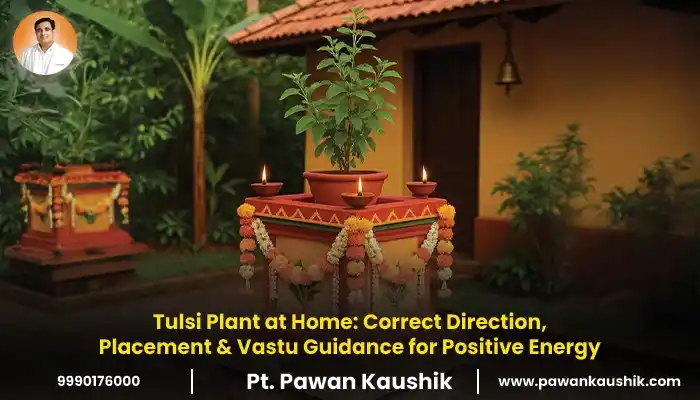 In Indian homes, the Tulsi plant is not kept merely for tradition. Its presence is deeply connected with Vastu principles and subtle planetary harmony that influence the energy of the living space. Many families place Tulsi in their home with faith, but often without understanding where to keep the Tulsi plant at home or what the correct Tulsi direction as per Vastu actually is. According to trusted Vastu expert, Pt. Pawan Kaushik, the placement of Tulsi is not symbolic alone — it works as an energy stabiliser when aligned with the right directional flow. When positioned correctly, Tulsi supports balance between natural elements and helps maintain an uplifting environment in the house. This makes Tulsi placement at home not just a belief-based practice, but a thoughtful way of aligning the living space with balanced energy.
Understanding why Tulsi matters from both Vastu and astrology perspectives helps in making practical placement decisions rather than following generic advice. The plant is traditionally associated with sattvic vibrations and subtle protective influence. In Vastu terms, it supports air and ether element balance, while astrologically it is often linked with spiritual calmness and emotional purification. Through this blog, we will understand all the vastu compliant in 2026 for Tulsi plant at home.
Why Tulsi Plant at Home is Considered Significant As Per Vastu Shastra
Keeping a Tulsi plant at home is believed to influence the emotional and energetic environment of a space. In Vastu, every plant has a behavioural energy, and Tulsi is regarded as one that promotes clarity and calmness. This is why people often ask where to place tulsi plant at home to receive its complete benefits. The presence of Tulsi is associated with stabilising fluctuating energies and supporting harmony in relationships and daily routines. Unlike decorative plants, Tulsi is treated as a living energy contributor. Its placement becomes important because Vastu is direction-sensitive, and even beneficial elements can behave differently in different zones.From an astrology-linked perspective, Tulsi is considered supportive for maintaining mental peace and devotional focus. Its presence is believed to reduce restlessness and enhance clarity in thought processes. This is why in many traditional setups, Tulsi was placed in open courtyards where it could interact with natural light and air movement.
Correct Tulsi Direction as Per Vastu
One of the most common questions people ask is about the correct tulsi direction as per vastu. Direction plays a central role because Tulsi is associated with subtle movement energy. It functions best in zones that support expansion and positivity rather than heaviness.- East Direction is widely considered suitable because it represents new beginnings and receives early sunlight. Placing Tulsi here allows it to align with the natural rhythm of daily energy flow.
- North-East is regarded as the most balanced placement zone. This direction supports spiritual calmness and mental clarity. Tulsi placed here is believed to enhance harmony within the household and maintain a peaceful atmosphere.
- North Direction is also acceptable when other options are not available. It supports stability and constructive movement in the home environment.

Directions to Avoid for Tulsi Placement
While many focus on ideal directions, it is equally important to understand where not to keep tulsi plant at home.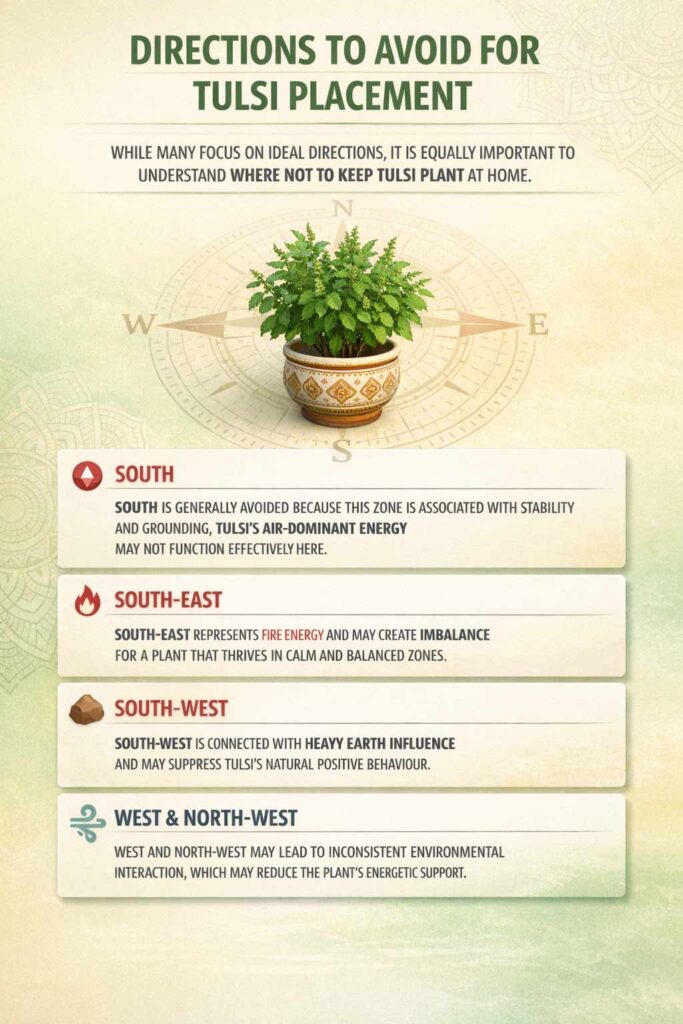
- South is generally avoided because this zone is associated with stability and grounding. Tulsi’s air-dominant energy may not function effectively here.
- South-East represents fire energy and may create imbalance for a plant that thrives in calm and balanced zones.
- South-West is connected with heavy earth influence and may suppress Tulsi’s natural positive behaviour.
- West and North-West may lead to inconsistent environmental interaction, which may reduce the plant’s energetic support.
Ideal Locations of Tulsi Plant Inside Modern Homes
In today’s apartments and compact homes, placement options may be limited. This makes understanding vastu for tulsi plant at home even more relevant.- Balcony in the East or North-East is considered suitable because it provides sunlight and open air.
- Near an Entrance in the correct direction helps create a subtle energetic buffer between external and internal space.
- Window placement in the right zone is acceptable if outdoor placement is not possible.
- The plant should always be kept elevated rather than directly on the ground to maintain its symbolic and energetic relevance.
Why Raised Placement of Tulsi Is Recommended in Vastu
Tulsi placed on a raised platform maintains its subtle influence better than one kept directly on the floor. This aligns with traditional practice of placing it in a dedicated structure. Elevation supports circulation and prevents stagnation in the immediate surrounding energy.Placement Near Entrance
Many households wonder where to keep tulsi plant at home when space is limited. Keeping it near the entrance in a suitable direction can support a welcoming and calm entry environment.Tulsi in Flats and Apartments
Modern living spaces often lack courtyards. In such cases, balconies aligned with favourable directions are practical substitutes. Rooftop placement is usually avoided due to environmental exposure and imbalance in energy interaction.Common Mistakes in Tulsi Placement
- Keeping Tulsi in dark indoor corners
- Placing it near clutter
- Combining it with thorny plants
- Allowing it to dry or remain neglected
Tulsi and Panch Tatva Balance
From a Vastu standpoint, Tulsi contributes to balance among natural elements as explained by the famous vastu consultant– Pt. Pawan Kaushik. It supports interaction between air and space elements and helps maintain a calm internal environment. This is one reason why Vastu tips for Tulsi plant often recommend open placement with access to natural light. Tulsi is sometimes considered a supportive natural element when minor spatial imbalances exist in a home. It is not a substitute for structural Vastu correction, but its presence may contribute to emotional steadiness and a peaceful atmosphere.Important Tips for Tulsi at Home
Number of Tulsi Plants as Per Vastu
In traditional Vastu understanding, Tulsi is often kept in odd numbers such as one or three. Odd numbers are symbolically associated with continuity and balance rather than division. While not a strict rule, many households follow this practice as it aligns with the broader idea of maintaining harmony in the living space.Tulsi and Daily Routine
Tulsi naturally encourages simple daily practices like watering, cleaning the surrounding space, or lighting a diya. These small routines bring consistency into everyday life. Over time, this regular care contributes to a calmer and more organised home environment.Best Type of Tulsi for Home
Common varieties such as Rama Tulsi and Shyama Tulsi are both regarded as suitable for residential placement. The selection usually depends on availability or family preference, as both hold traditional significance.Sunlight and Air Requirement
Tulsi grows best in spaces that receive good sunlight and natural airflow throughout the day. Locations such as balconies, verandas, courtyards or well-lit windows are generally considered suitable because they allow the plant to interact with fresh air and sunlight, both of which help maintain its vitality and natural strength over time.Tulsi and Emotional Environment
Many households notice a calming effect associated with Tulsi’s presence. This sense of calm often develops through daily interaction with the plant and the natural connection people experience with greenery. Caring for Tulsi regularly may create a subtle feeling of order and positivity within the home environment.Integration With Other Vastu Elements
Tulsi may sometimes be placed near water features like small fountains, bowls or decorative vessels in suitable directions. This arrangement is believed to symbolically support balance among natural elements within the home, especially when maintained thoughtfully without creating clutter.Internal Placement Considerations
If Tulsi is kept indoors temporarily, it should be placed in a well-lit and ventilated spot where it can still receive indirect sunlight. Avoid dark corners or enclosed areas, as limited light and airflow may affect both the plant’s health and its freshness.Placement in Pooja Space
Tulsi may be positioned near a prayer area when directionally appropriate and space allows. This aligns with long-standing household traditions where the plant is treated with respect and care.Clean Surroundings
Maintaining cleanliness around the Tulsi plant is important for both practical and symbolic reasons. A neat surrounding space helps support the plant’s health while also contributing to a calm and organised atmosphere within the home.